
Fuel Your Performance — Essential Vitamins & Minerals for Athletes
Discover how strategic micronutrient supplementation can enhance your athletic performance, accelerate recovery, and optimise your training results. Our editorial platform explores the science-backed role of vitamins and minerals in athletic excellence.
The Micronutrient Foundation of Athletic Performance
Whether you're a marathon runner, strength athlete, or weekend warrior, vitamins and minerals play crucial roles in energy production, muscle function, recovery, and immune resilience.
Iron
Essential for oxygen transport, endurance performance, and preventing fatigue in aerobic activities.
Magnesium
Supports muscle contraction, energy metabolism, and recovery after intense training sessions.
Calcium
Vital for bone health, muscle signalling, and maintaining structural integrity under training stress.
Zinc
Enhances immune function, supports protein synthesis, and accelerates tissue repair post-exercise.
Why Strategic Supplementation Matters for Athletes
Intense training depletes micronutrient reserves faster than sedentary populations can replenish them through diet alone. Athletes face heightened demands for minerals during intensive training cycles, competition periods, and recovery phases.
Our editorial resources explore how targeted vitamin and mineral strategies support cardiovascular efficiency, muscular endurance, strength development, and immune resilience—all critical for competitive success.
Enhanced Energy Production
B vitamins and minerals drive ATP synthesis for explosive power and sustained endurance.
Faster Recovery & Adaptation
Zinc, magnesium, and antioxidants support cellular repair and reduce training-induced inflammation.
Immune System Support
Vitamin D, selenium, and iron fortify immune defences against overtraining-related illness.
Optimised Bone & Joint Health
Calcium, magnesium, and vitamin D work synergistically to maintain structural integrity and prevent injury.

The Essential Five: Minerals Every Athlete Should Understand
Explore in detail the five critical minerals that form the foundation of athletic performance and recovery.
Magnesium
Over 300 enzymatic reactions depend on magnesium, including protein synthesis, energy production, and neuromuscular function. Athletes lose magnesium through sweat, making supplementation particularly relevant during intense training.
- Supports: Muscle relaxation, ATP synthesis, nervous system health
- Target intake: 400-420mg daily for men, 310-320mg for women
- Sources: Nuts, seeds, leafy greens, whole grains
Iron
Critical for oxygen transport via haemoglobin, iron directly impacts aerobic capacity and endurance performance. Female athletes face higher deficiency risk due to menstrual losses, while all athletes benefit from optimised iron status.
- Supports: Oxygen delivery, mitochondrial function, energy metabolism
- Target intake: 8mg daily for men, 18mg for women (reproductive age)
- Sources: Red meat, poultry, legumes, fortified cereals
Calcium
Beyond bone density, calcium regulates muscle contraction, nerve signal transmission, and cardiac rhythm. Athletes who avoid dairy or restrict calories are at higher risk for inadequate calcium intake.
- Supports: Bone mineralisation, muscle contraction, hormone regulation
- Target intake: 1000-1200mg daily across all adults
- Sources: Dairy, fortified plant milks, leafy greens, sardines
Zinc
Essential for immune cell function and protein synthesis, zinc supports muscle repair and prevents exercise-induced immunosuppression. Endurance athletes often show marginal zinc status due to sweat losses and dietary gaps.
- Supports: Immune function, protein synthesis, hormone production
- Target intake: 11mg daily for men, 8mg for women
- Sources: Oysters, beef, poultry, legumes, seeds
Sodium & Electrolytes
Electrolyte balance is critical for hydration status, muscle function, and thermoregulation. Sodium losses through sweat can impair performance and increase cramping risk during prolonged endurance events.
- Supports: Fluid balance, nerve transmission, muscle contraction
- Target intake: Individual needs depend on sweat rate and exercise duration
- Sources: Sports drinks, electrolyte tablets, salted foods
Selenium
As a key component of antioxidant enzymes, selenium protects against exercise-induced oxidative stress and supports immune resilience. South African soils vary in selenium content, making awareness important for local athletes.
- Supports: Antioxidant defence, immune function, thyroid health
- Target intake: 55mcg daily for adults
- Sources: Brazil nuts, seafood, eggs, whole grains
Common Questions About Athletic Nutrition
Find answers to frequently asked questions about vitamins, minerals, and performance supplementation.
For many athletes, a well-balanced diet covering all food groups provides adequate micronutrients. However, intense training increases demands, certain populations face deficiency risks (female athletes, vegetarians/vegans, those restricting calories), and soil depletion in some regions reduces nutrient density. Strategic supplementation can bridge these gaps, especially during heavy training cycles or competition periods.
Blood tests can assess iron, zinc, magnesium, calcium, vitamin D, and selenium levels. However, not all deficiencies show obvious symptoms, and some tests only measure serum levels, not tissue stores. Common signs include fatigue, impaired recovery, muscle cramps, frequent illness, and poor sleep quality. Consulting with a sports nutritionist can help identify whether testing is warranted and what supplementation strategy suits your individual needs and training demands.
Yes, many interactions exist. Calcium can reduce iron absorption if taken together; magnesium can affect calcium balance; vitamin D enhances calcium absorption; and excessive zinc can impair copper status. This is why taking supplements strategically (timing, dosage, form) and choosing formulations designed for athletes makes a difference. Balanced multi-vitamin/mineral products are formulated with these interactions in mind to maximise bioavailability and effectiveness.
Water-soluble vitamins (B vitamins, vitamin C) are generally safe in excess because they're excreted in urine. However, fat-soluble vitamins (A, D, E, K) can accumulate in body tissues, and excessive intake of minerals like iron or selenium can cause adverse effects. Reasonable supplementation within recommended daily allowances is safe, but "more is better" does not apply. Evidence-based dosing tailored to individual needs and training phase is the optimal approach.
Timing depends on the specific nutrient and your goals. Fat-soluble vitamins (A, D, E, K) should be taken with meals containing fat for absorption. Iron is best absorbed on an empty stomach but can cause stomach upset, so taking it with a light snack is a practical compromise. Calcium and magnesium are better spread throughout the day rather than taken all at once. For recovery, some athletes find consuming minerals with post-workout carbohydrate and protein (within 30-60 minutes post-exercise) optimises absorption and supports muscle repair.
Athletes can lose 0.5–2 litres of sweat per hour during intense training, containing significant sodium, magnesium, potassium, and calcium. This is especially significant for endurance athletes, those training in hot conditions, or those with high sweat rates. Replacing electrolytes during and after prolonged exercise (using sports drinks or electrolyte tablets) is essential for hydration, preventing cramping, and maintaining performance. Daily dietary mineral intake should also account for these losses, particularly on high-volume training days.
Real Athletes, Real Performance Insights
Explore how different athlete types benefit from understanding and optimising their vitamin and mineral intake across various sports and training phases.
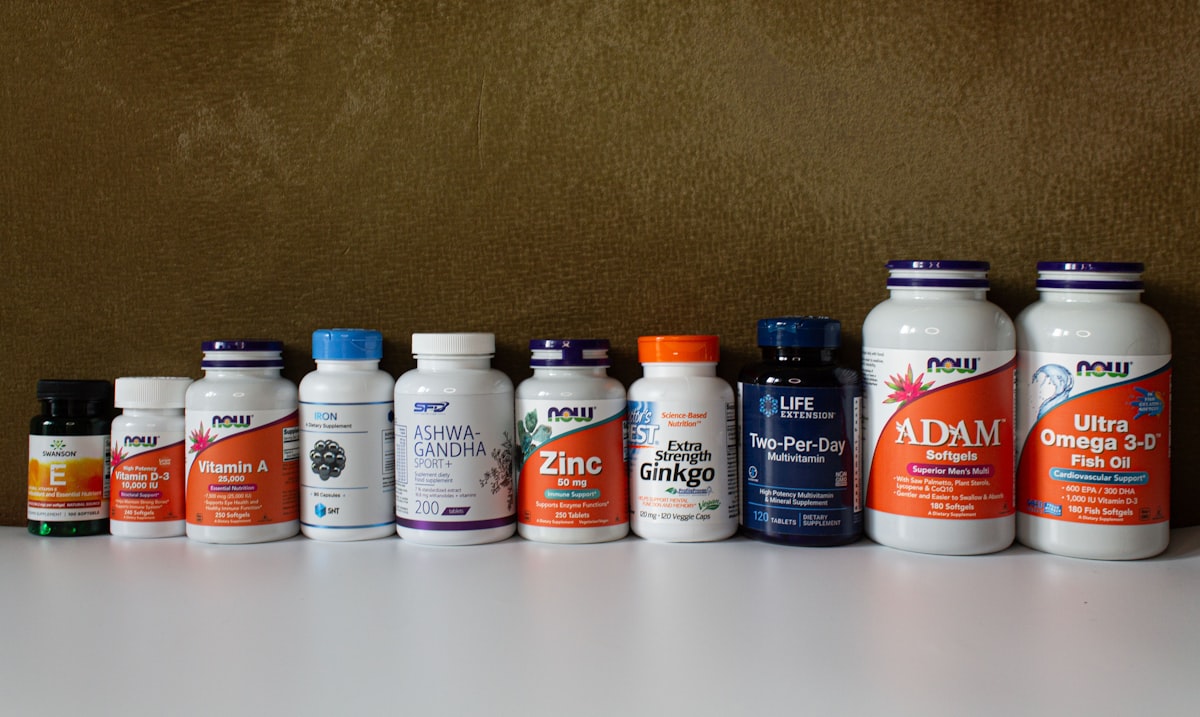
Iron & Aerobic Capacity
How distance runners optimise haemoglobin levels and oxygen delivery through iron status management, altitude training protocols, and strategic supplementation timing.
Read More
Magnesium & Muscle Recovery
Discover how strength athletes leverage magnesium's role in muscle protein synthesis, recovery optimisation, and managing training-induced inflammation and fatigue.
Read More
Electrolyte Balance & Explosive Power
Team sport athletes benefit from electrolyte management strategies that support repeated sprint ability, neuromuscular coordination, and preventing cramping during competition.
Read MoreWhat Professional Athletes Say
Hear from athletes who have optimised their performance through strategic micronutrient management with Performance Platenu Nutrition.
"I've been reading your content on iron supplementation for two years now, and it completely transformed how I approach my training. Understanding the science behind haemoglobin levels and oxygen delivery helped me make informed decisions about my nutrition strategy. My recovery times improved noticeably, and my marathon times have dropped significantly."
Marcus van der Merwe
Marathon Runner, Cape Town
"As a female strength athlete, I struggled with fatigue and slow recovery for years. Your articles on magnesium and zinc deficiency in women were eye-opening. I implemented the supplementation strategies you recommend, and within three months my gym performance improved dramatically. I'm lifting heavier and recovering faster than ever before."
Thandi Dlamini
Powerlifter, Johannesburg
"Your detailed guides on electrolyte balance for team sports athletes have been invaluable. Playing rugby requires sustained intensity across 80 minutes, and managing my sodium and potassium intake through the season has reduced cramps significantly. I recommend your platform to every athlete I know—the science is solid and genuinely practical."
Johan Pieterse
Rugby Player, Durban
"I'm a vegan triathlete, which made micronutrient management complex. Your articles on plant-based sources of iron, zinc, and calcium were comprehensive and evidence-based. Following your recommendations, I achieved better blood work numbers and felt more energised through my training cycles. Truly transformative information."
Sarah Okonkwo
Triathlon Coach, Pretoria
"I coach young football players, and your educational content on calcium and bone health for adolescent athletes has been invaluable in my training program design. Several of my players have used your guides to inform their parents about the importance of micronutrient intake during growth phases. Excellent science communication."
Ntokozo Khumalo
Youth Football Coach, Kwazulu-Natal
"Your content on selenium and antioxidant protection has been game-changing. As an ultra-runner, oxidative stress is a major concern, and understanding how micronutrients protect against exercise-induced damage helped me structure a more sustainable training protocol. Fewer injuries, better consistency, improved times."
Linda Nyathi
Ultra-Marathon Runner, Limpopo
Athlete's Performance Bundle
Access our complete library of vitamin and mineral education resources, supplementation strategy guides, and athlete case studies.
Explore Our ResourcesStart Optimising Your Athletic Performance Today
Whether you're a competitive athlete, weekend warrior, or fitness enthusiast, understanding your micronut rient needs is the first step towards sustainable performance gains. Join thousands of athletes who trust Performance Plate Nutrition.
Frequently Asked Questions
Get in Touch
Location
Performance Plate Nutrition
123 Wellness Street
Health City, HC 12345
Phone
Business Hours
Monday – Friday: 9:00 AM – 6:00 PM
Saturday: 10:00 AM – 4:00 PM
Sunday: Closed
Performance Plate Nutrition
Empowering athletes with evidence-based micronutrient guidance for peak performance.